Exemplifying Research, Problem-solving, and Professional Service
By Alex Cooper and Nora Hughes
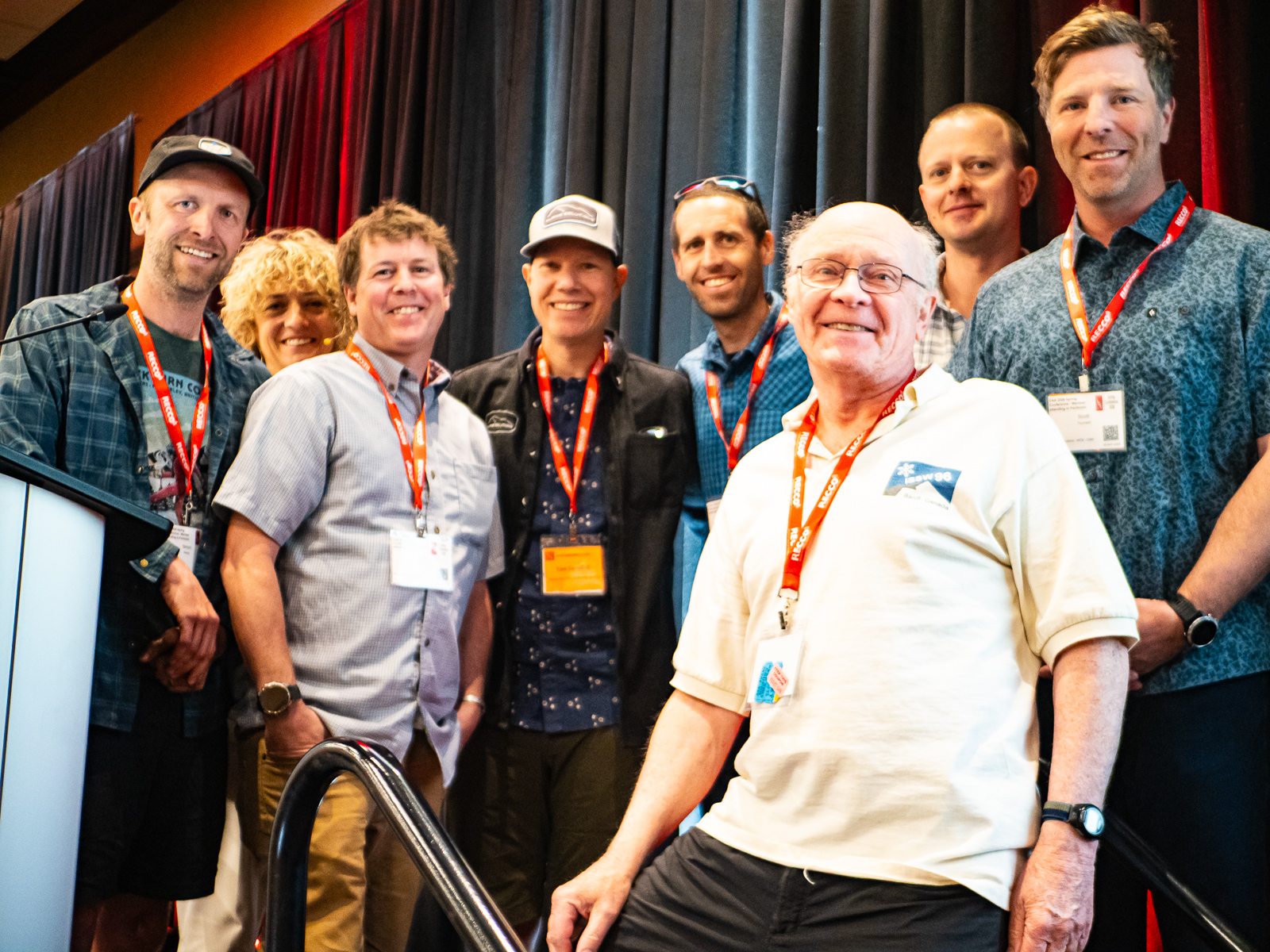
DR. BRUCE JAMIESON REQUIRES LITTLE INTRODUCTION to CAA members. The founder of Applied Snow & Avalanche Research, University of Calgary (ASARC), Bruce’s work has shaped avalanche science, education, and practice in Canada and internationally.
A long-time member of the CAA, Bruce has been an Avalanche Professional since 1984 and served as CAA President from 1992–1995. A long-serving member of the Technical Committee, he contributed to the development of industry standards that continue to guide avalanche professionals.
Bruce’s research advanced the understanding of snow stability and avalanche formation, particularly his influential work on persistent weak layers. He helped reshape how practitioners interpret and respond to snowpack conditions in the field, with a lasting impact on avalanche forecasting, hazard assessment, and public safety. Bruce also taught recreational and professional avalanche courses, contributed to curriculum, and developed textbooks. He was an author and subject matter expert for several key CAA technical documents. Since his retirement from the University of Calgary in 2015, he has worked as a consultant and produced
educational videos on various avalanche topics.
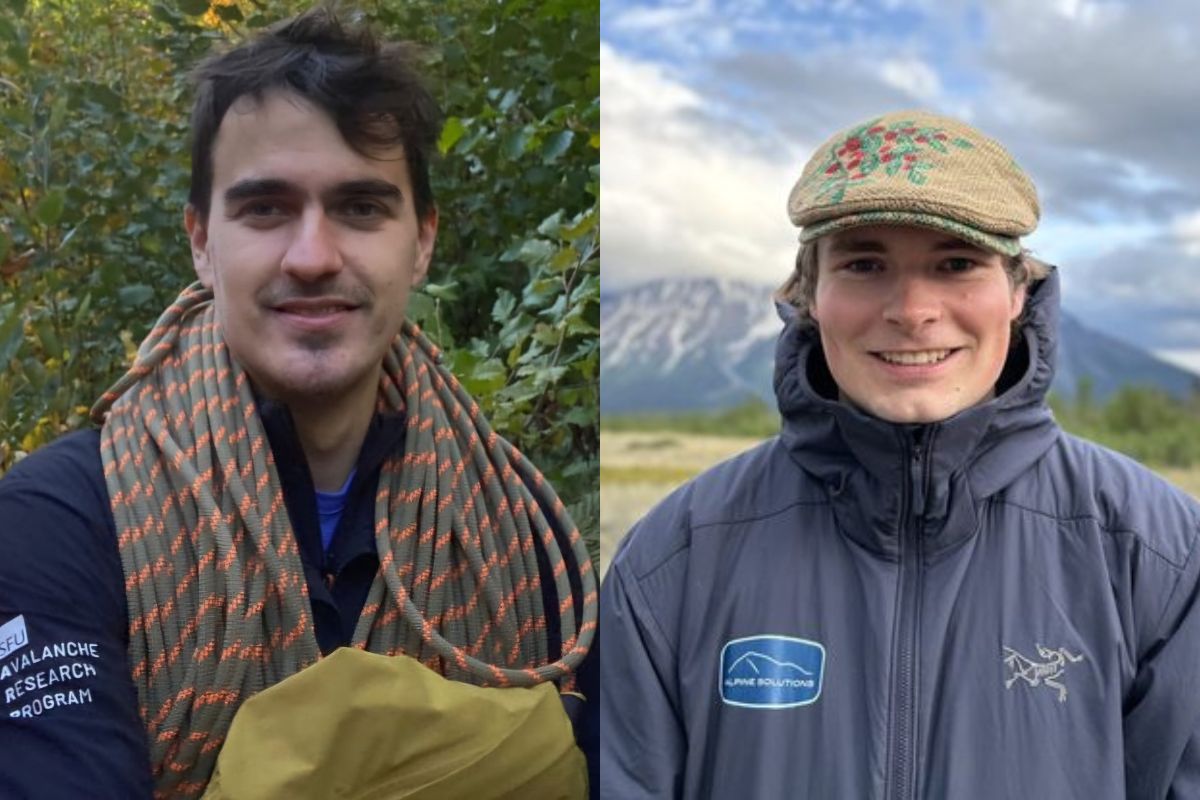
Bruce was nominated for Honorary Membership by 15 of his former students who are all current CAA members, as well as nine other ASARC alumni, and four of his international associates.
“(His) career exemplifies the integration of rigorous science, applied problem-solving, and professional service,” they wrote. “Through pioneering field-based research, national standards development, decades of instruction, and the mentorship of 25 graduate students, he has had a lasting and foundational impact on avalanche practice in Canada and beyond.”
We asked him a few questions:
The Avalanche Journal: How does it feel to be made an Honorary Member of the CAA?
Bruce Jamieson: I was chuffed. The CAA is a community of friends and colleagues. Being recognized like this was humbling and felt amazing.
What was it like having so many of your former students there to present you with the honour?
As some of the nominators, it was wonderful to have them share how we worked together on their graduate research and publications, as well as consulting projects and educational videos.
Why was it important for you to contribute to the CAA throughout your career?
Through the CAA, I’ve built so many connections with avalanche workers and forecasters for ski areas, highways, parks and resource industries, as well as guides and consultants. I also got to know some of the ski industry operations managers and owners through the CAA, Canada West Ski Areas Association, and HeliCat
Canada. Not only did I instruct for the CAA Industry Training Program, but many of the instructors became friends. They helped me understand sectors such as highways and parks that I did not work in. I was fortunate to help develop curricula for two major ITP updates. I directly applied ideas from these updates to the risk management plan for ASARC field staff. For example, years before the 2017 publication of the Conceptual Model of Avalanche Hazard, ASARC incorporated the key ideas in our morning meetings and risk management plan. At the university I felt like a hexagonal peg in a round hole. For me, the CAA was a fit.
You served as President of the CAA, as well as on many committees over the years. What advice do you have a young avalanche professional looking to get involved in the CAA?
Well, first, I’d encourage young avalanche professionals to attend the Spring Conference. There are important networking opportunities and presentations on the diverse aspects of avalanche work. I know little about the mentorship sessions, but they sound like amazing opportunities to grow one’s career.
The CAA has been active in encouraging and addressing the mental health of members. This is so important for all members to address throughout their careers.
Committees and the ITP program are also a great way to get involved. There are also the fall CPD sessions, which are a great opportunity to meet members of the ACMG and CSGA. For those considering presenting at the Spring Conference, I encourage you to get advice from mentors or other members and go for it. Don’t be shy about asking for help on topics, drafts of presentations, etc.