By Kevin Fogolin and Dave Iles, Dynamic Avalanche Consulting
This article initially appeared in The Avalanche Journal, Volume 128, Winter 2022
DYNAMIC AVALANCHE JAPAN, Arai Avalanche Hazard Evaluation Worksheet: “HN24: 30 cm. HST: 101 cm. HS: 530 cm. Ta: -8.7°C. Snow today with a further 20 cm and winds light from the North. Temperatures steady around -8°C. Surface conditions: deep powder, excellent skiing.”
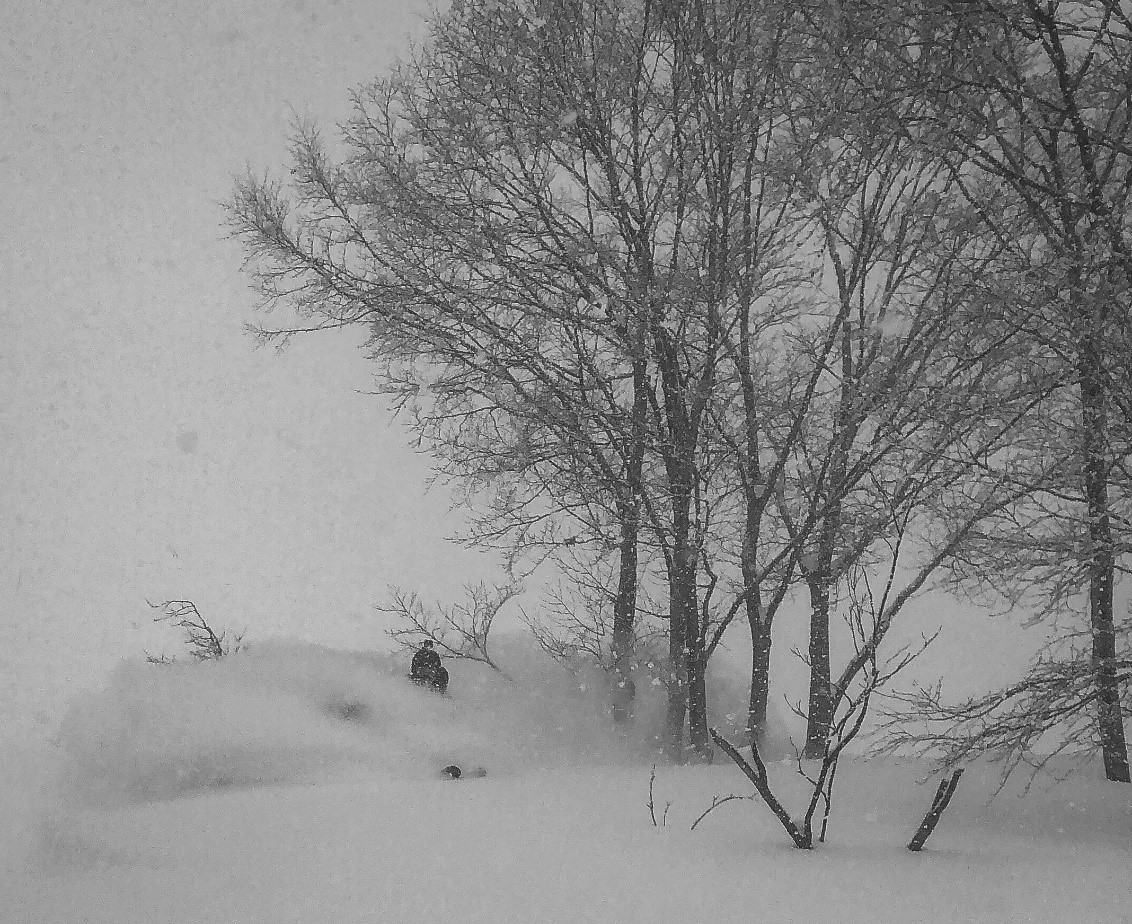
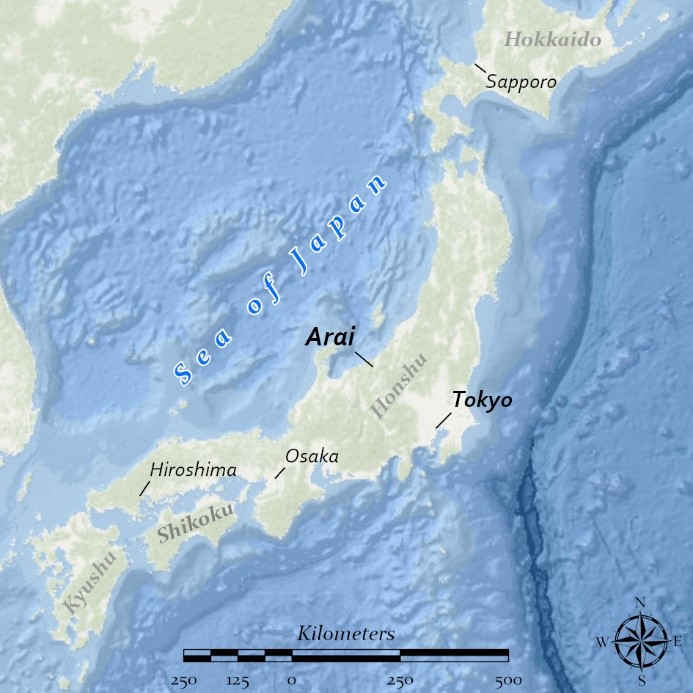
For many ski resorts, this would read as the storm of the decade. During powder season in the Myoko region of Japan, located on the western edge of the Island of Honshu, this is standard fare.
Arai Ski Resort and Spa opened in 1993 as a “luxury ski resort” founded by Hideo Morita, the eldest son of Sony co-founder Akio Morita. Arai opened with state of the art facilities and luxurious accommodation, not to mention never-ending snowfalls. Unfortunately, the resort failed to be an economic success and with the Japanese economic downturn of the mid-2000s, it closed its doors in 2006. For a decade, the resort was left abandoned, boarded up, and buried in winter snowfalls, with only a few locals touring up to enjoy some deep powder turns.
In March 2017, an email request came to the Dynamic Avalanche Consulting office in Revelstoke, B.C., requesting support to develop an avalanche program for a ski resort in Japan. This is not a typical request for Dynamic, and though these types of requests sound interesting, they rarely develop into something fruitful.
This one was different. The email came from the Lotte Arai marketing director, Tomo Yasuada, who had lived in Washington state for several years, was an avid snowboarder, and had seen the implementation of an avalanche program at Niseko, Japan, which was initially developed by Chris Stethem in the late-2000s. Lotte had recently purchased the abandoned resort and was investing considerable funds to transform it back to its luxurious state of the late-90s. The grand opening was planned for December 2017.
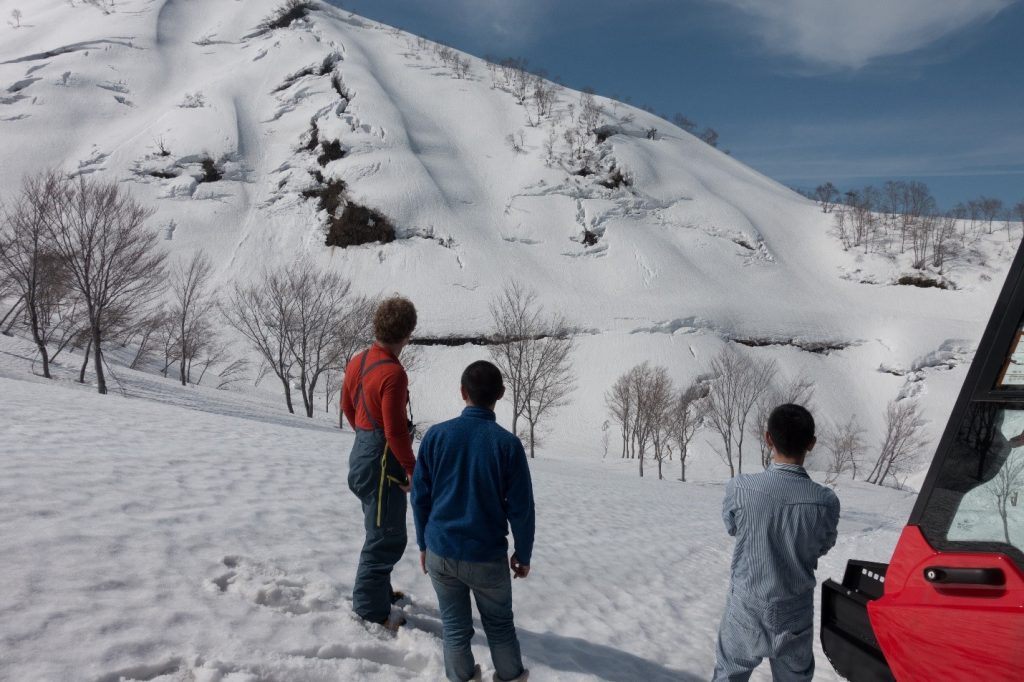
A couple weeks later Grant Statham and Kevin Fogolin were on a flight bound for Tokyo, headed to Lotte Arai to conduct an avalanche risk assessment for the resort. The goal was to develop an avalanche risk management plan (ARMP) for winter operations. They spent a week at the resort, using their brand new Pisten Bully snowcats to provide assisted ski touring to assess and map the avalanche terrain. A few things jumped out: there was a lot of avalanche terrain and hundreds of glide cracks! The days were spent analysing the terrain, meeting the management team, and putting a framework together to implement an operational avalanche program for the upcoming ski season.
Upon returning to Canada, our team spent several weeks putting together the ARMP for the upcoming winter. This involved combining our field evaluation of the terrain with avalanche runout modelling and snow supply analysis. With the avalanche terrain mapped, including avalanche magnitude and frequency estimations, control routes were developed that would allow for safe, efficient terrain openings. Further components of the plan included organizational structure and staffing requirements, training requirements, identification of avalanche risk mitigation measures, weather and snowpack observation sites, daily avalanche hazard and risk assessment worksheets, a
backcountry response plan, and avalanche rescue plans.
With the ARMP in place by late summer 2017, an avalanche forecasting team was assembled that included senior avalanche forecaster Dave Iles from Whistler, B.C., and assistant forecaster Iwao Yokohama (JAN Level 2), who had patrolled at the resort back in its former days.
Fast forward to 2021, and Dynamic Avalanche Japan (DAJ) continues to operate the snow safety program at the resort. Here is a summary and a few highlights from the last few seasons.
THE SNOW
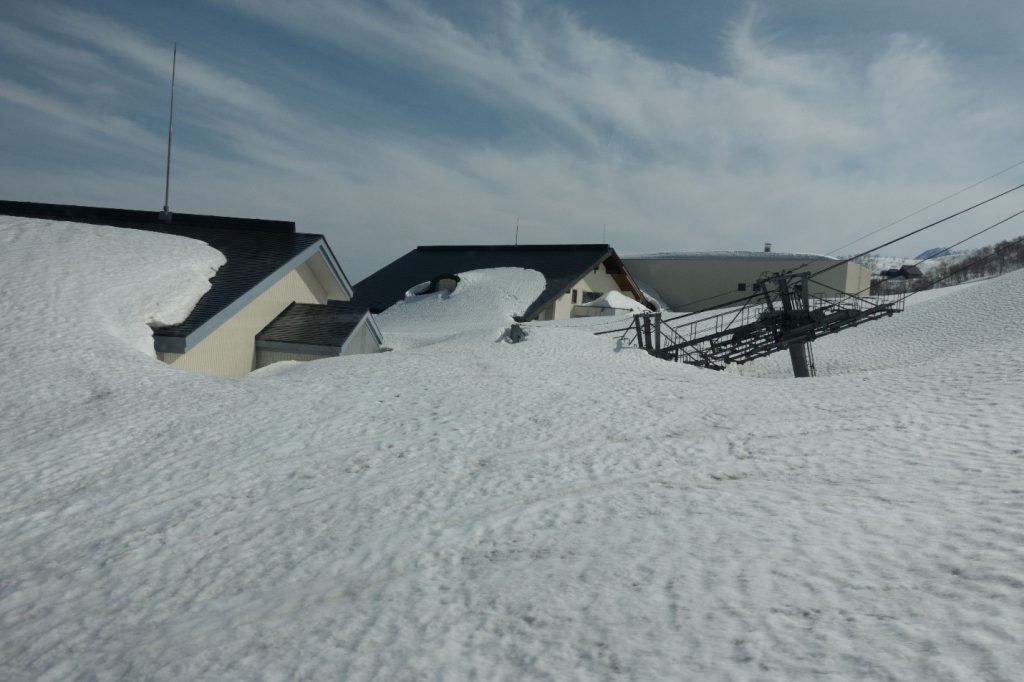
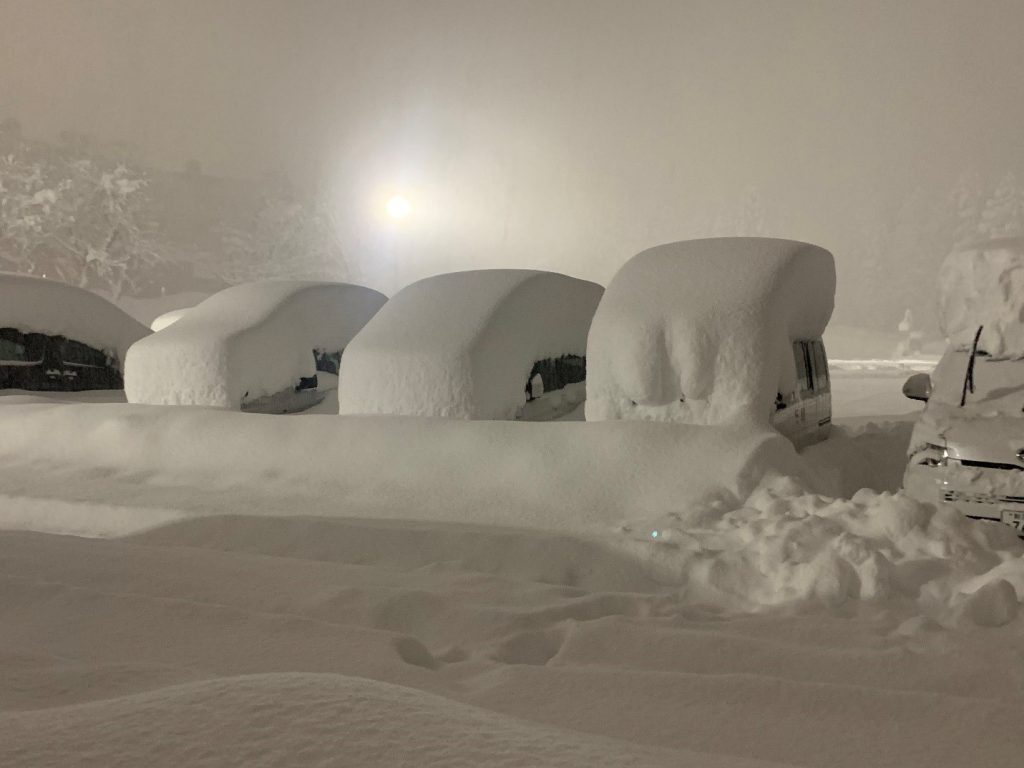
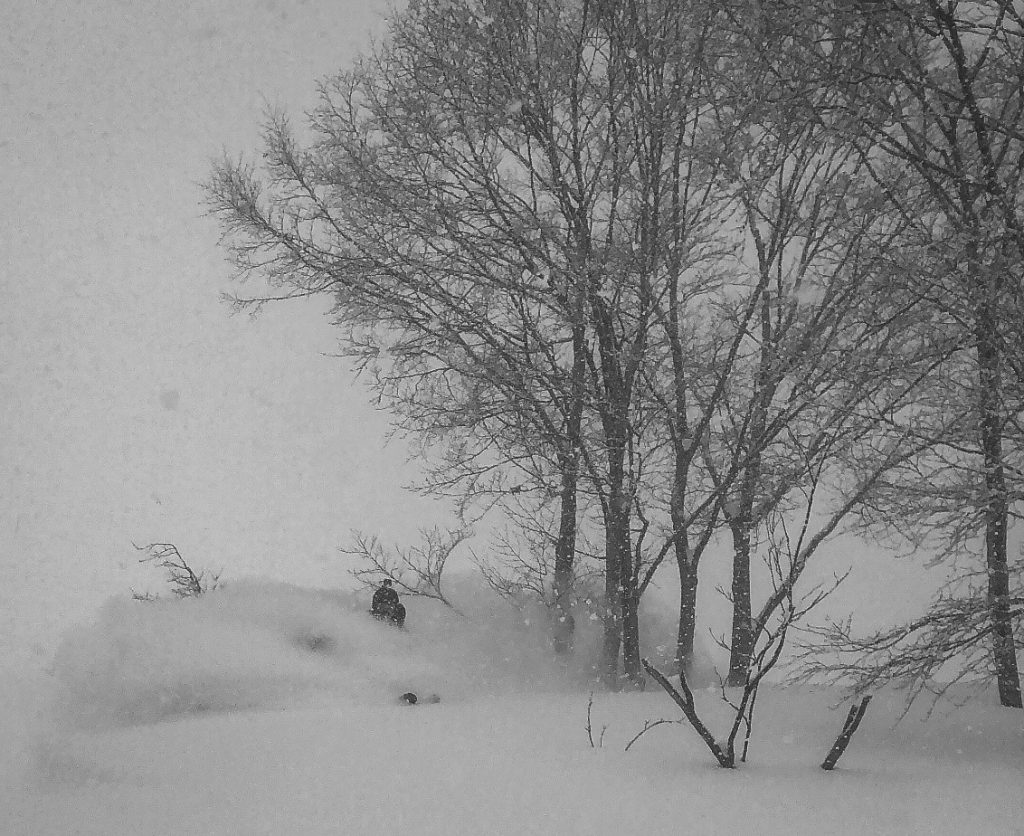
Lotte Arai is located in the northeastern corner of the North Japanese Alps and is subject to very heavy winter snowfall. During the main winter months (December through February), a northwest winter monsoon originates in continental Asia due to the building Arctic airmass over Siberia. This push of cold, dry air over the relatively warm waters of the Sea of Japan creates winter storm systems that are subject to intense orographic lifting when they reach the west coast of Honshu. This results in very heavy snowfalls. It is not uncommon to receive 50-75cm of snow in a 24-hour period, and high-elevation winter snow depths typically exceed 500cm. Storm systems regularly produce snowfalls in excess of 100cm.
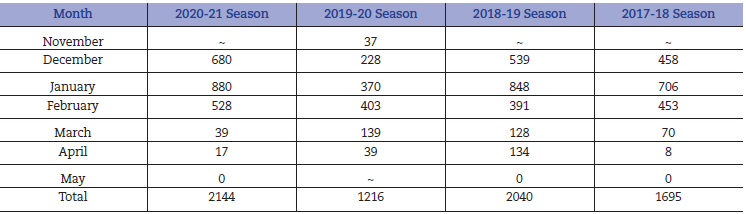
In January of 2021, a five-day storm resulted in a H2D cumulative total of 348 cm. Table 1 below shows snowfall totals for the previous four seasons. The 2019-20 season was described by locals as a historically low season, even though the resort still received over 12m of snowfall. The winter season is short—the tap literally turns on around early to mid-December and, just as quickly as it turns on, it switches off by late-February, with very little snowfall in March and April.
AVALANCHE RISK MANAGEMENT PROGRAM
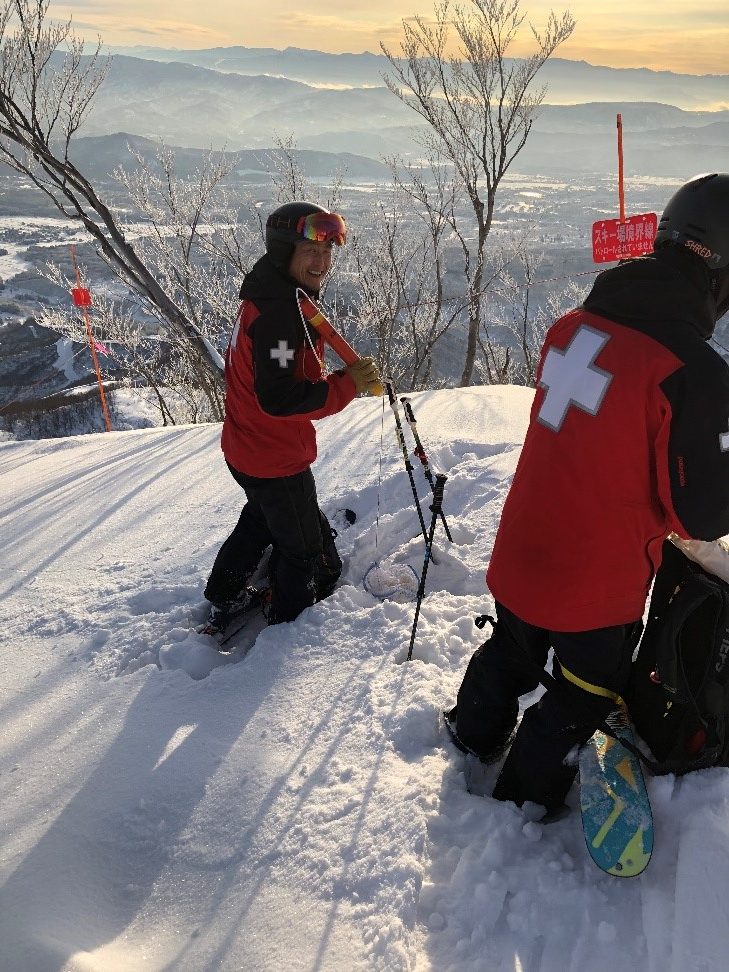
The DAJ snow safety team at Arai consists of Iles and Yokohama. Lotte Arai also provides two trainee forecaster positions to the program who work under the mentorship and guidance of the DAJ team. This season, DAJ will be adding a third forecaster position to the program. DAJ’s scope of work includes assessing avalanche hazard and risk, terrain management decisions, and providing training and mentorship in snow safety to both the ski patrollers and the Lotte Arai snow safety team.
Given the impressive storm season snowfalls, one might expect to see widespread avalanche activity, however this is typically not the case. The snow seems to come in and quickly settle out and stabilize, leaving many mornings when the snow safety team is hard-pressed to get anything more than a few loose dry sluffs out of steep terrain. The thought of calling it LOW hazard after 100cm of new snow always
seems to generate a fair bit of discussion.
The most common avalanche problem is surface sluffing, which can be extensive when it is continuously snowing 5–10cm/hr. These sluffs, which can entrain significant amounts of snow, are usually loose or very soft slabs. Control is mainly achieved by ski cutting and then quickly opening terrain to the public. The resort has a very strong contingent of local snowboarders who make sure every single pocket gets chopped up.
During the winter season, if snow stops falling five or more hours before the start of avalanche control, there will seldom be avalanche activity, even after snowfall amounts of over 50cm of H2D. This incredible feat of bonding is referred to as “Arai Magic.” Given the potential
instability and lack of historical data, widespread testing occurs before opening.
Slab activity is usually soft and associated with frequently occurring melt-freeze crusts. It is common for these slabs to become unreactive quickly, normally within a day or two. If possible, it is beneficial to ski the steep terrain early in the storm to facilitate bonding. Widespread explosive testing also provides additional confidence.
Avalanche control with explosives is used routinely on the mountain, typically using one kilogram hand charges. This season, two OBell’X towers will be installed in the upper alpine bowl. Back in the early 2000s, this alpine bowl released a Size 4 avalanche that struck the gondola, resulting in minor damage. The thought of this low-frequency, high-consequence event continues to weigh in on the minds of the forecasting team when storm totals start to exceed 200cm and weather conditions prevent avalanche control. The OBell’X will be a welcome addition.
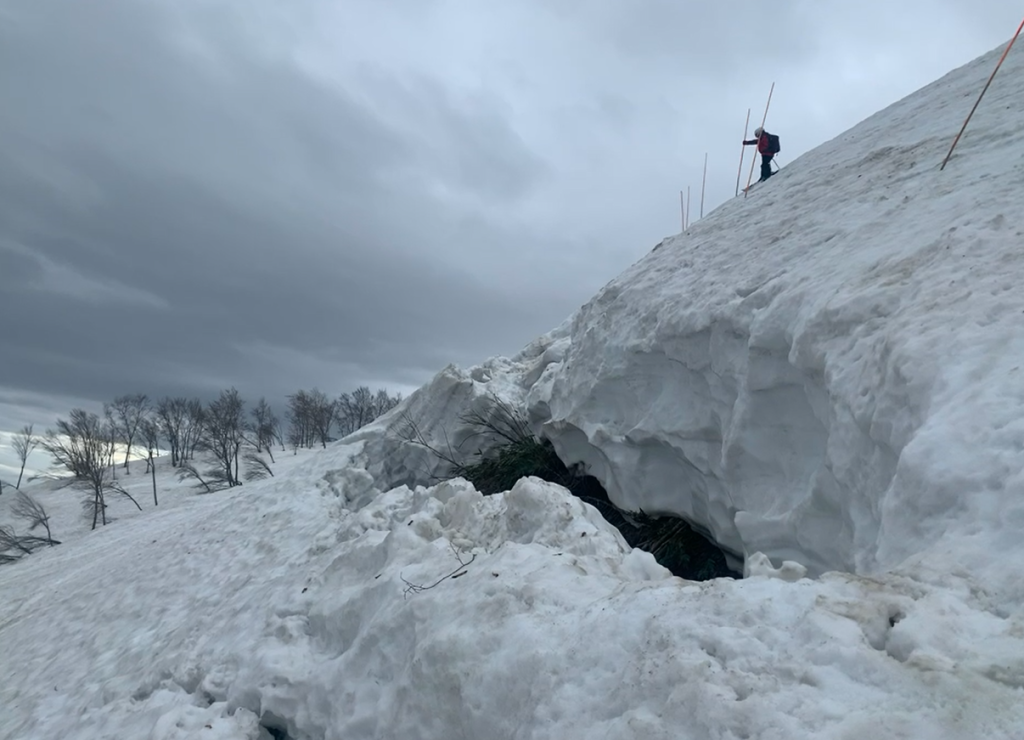
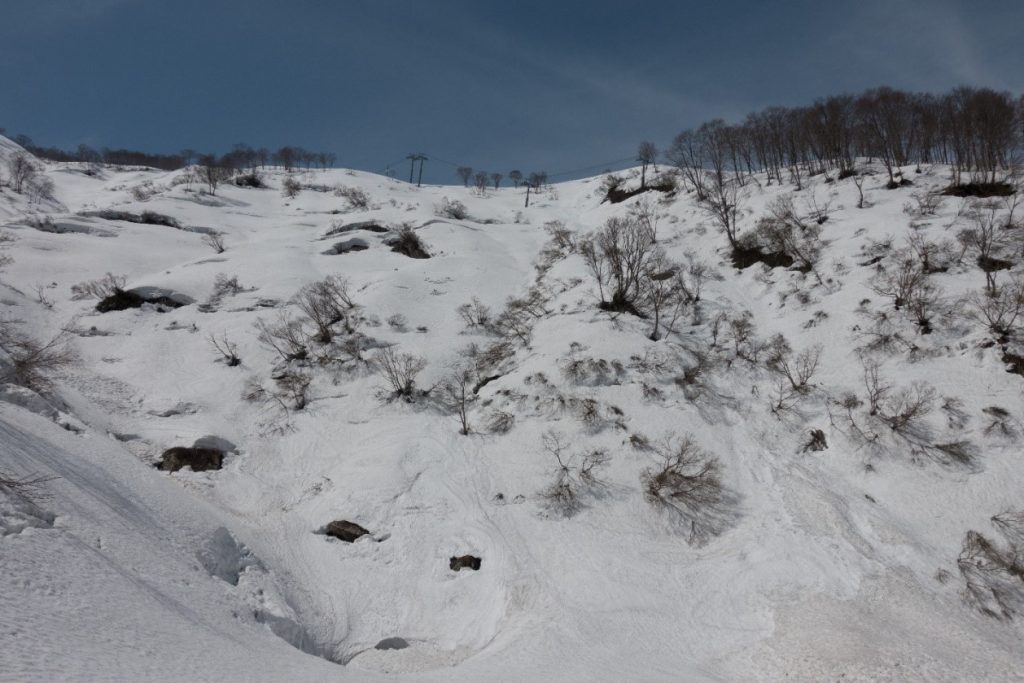
One of the most significant challenges for the snow safety team is the presence of glide cracks. These are primarily a late-season problem but, depending on the winter, they can present a serious inbounds hazard throughout the season. The prevalent bamboo grasses in the area provide the ideal surface for extensive snowpack gliding and result in some of the runs taking on the look of a heavily crevassed, glaciated
slope. Management of the glide hazard is continuous through the season, with marking, fencing, pushing snow into them, and, if required, closure of the runs. Glide avalanches are rarely seen as a result of these glide cracks, but there are a couple routine performers which produce Size 2 glide avalanches every spring. The more common hazard is random blocks coming loose and tumbling down the slope.
Each year, the DAJ team gains more knowledge on the glide problem, but with no historical records, a fair amount uncertainty remains. In general, increased glide activity seems to occur during or shortly after a significant rain event. Explosives have not proven effective as a control measure. They require a lot of observation and at times result in substantial terrain closures, only for us to watch as nothing happens.
As amazing as the skiing and the snow can be at Lotte Arai, for the DAJ team the warmth and hospitality of the Japanese people is one of the main highlights of the program. Lifelong friendships have been forged over the last four seasons under the common universal bond of enjoying deep powder days with fellow coworkers… Arai Magic.